A blunt hook can cost you a fish, and it's simple physics.
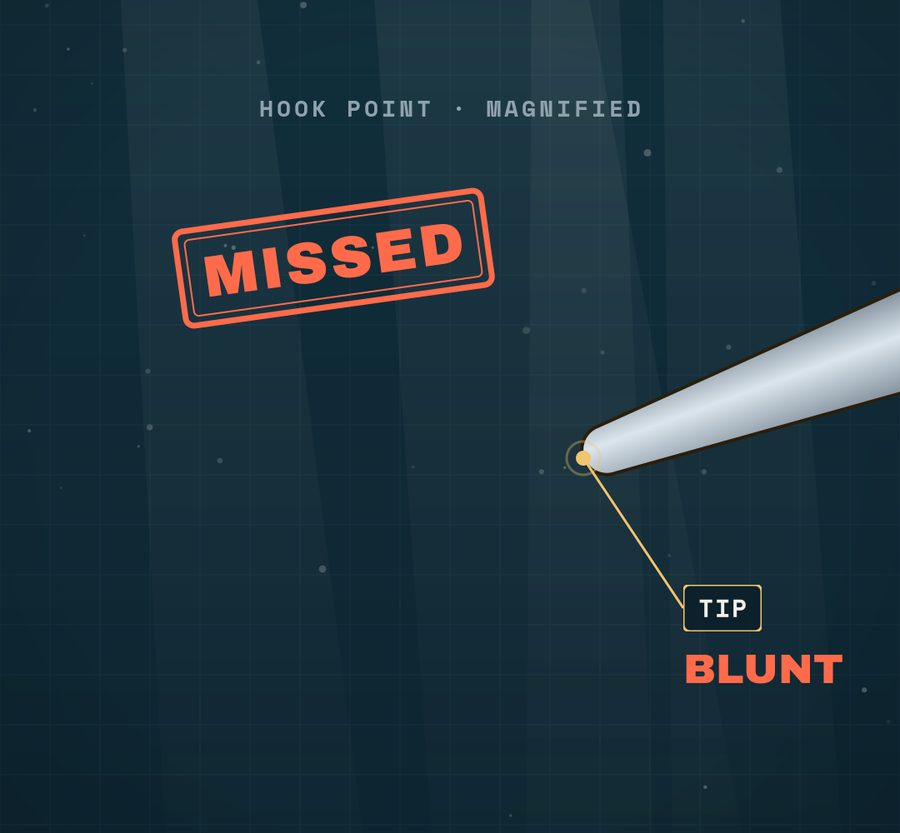
A blunt hook can cost you a fish, and the reason is one of the simplest equations in physics. A point that's only slightly worn is a lot worse than it looks.
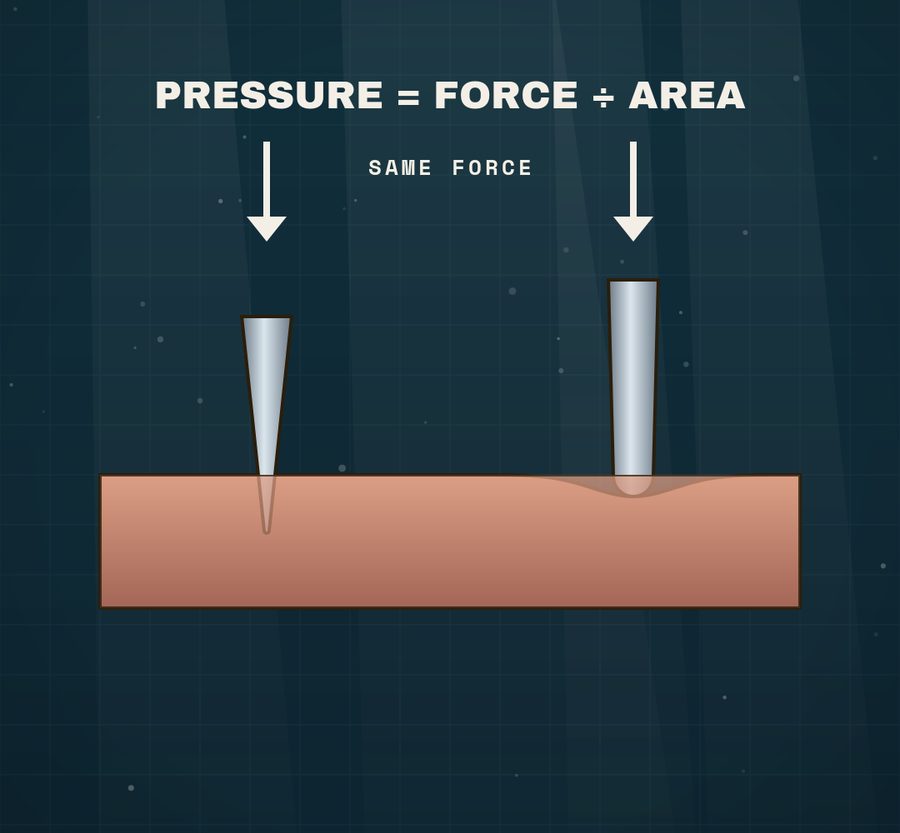
Pressure is force divided by area
Push with the same force through a smaller point and the pressure is far higher. That's why a drawing pin goes into a board and your thumb doesn't. A sharp hook concentrates force onto a tiny area, enough to start piercing. A blunt one spreads the same force out, and just dents.
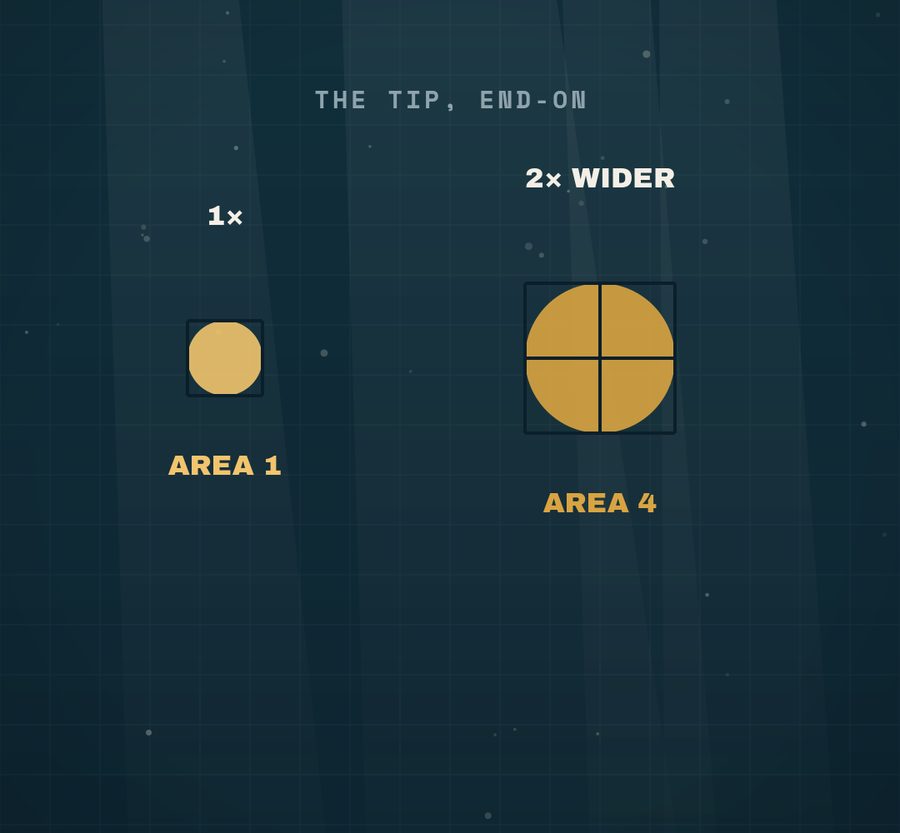
Twice as wide, a quarter of the pressure
Area grows with the square of width. Make the tip twice as wide, and its contact area is four times bigger, so the pressure from the same force drops to a quarter. That's the simplified geometry. Real penetration also depends on the point's shape, any cutting edges, the angle and the barb, but the direction is the same.
You only get a split second
When a carp tests a rig and tries to blow it out (FILE 003), the hook point gets a brief moment to catch. A sharp point grabs. A blunt one skids along the lip and slides out, and you never knew it happened.
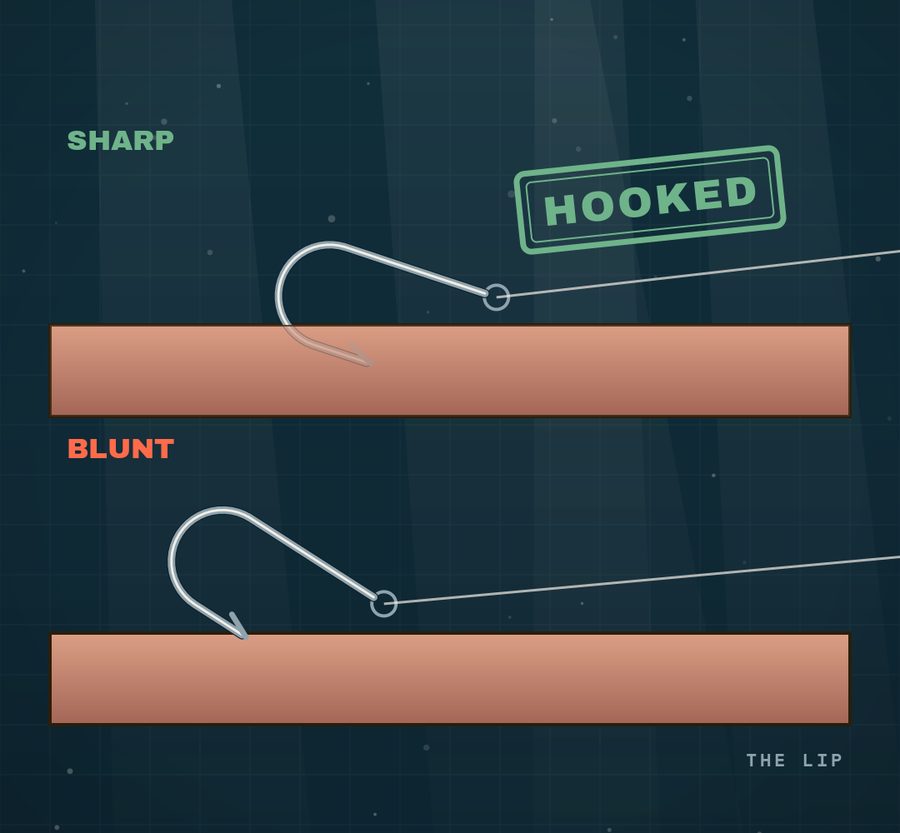
Points don't stay sharp
Gravel, stones and mussel beds blunt hook points quickly. A cast or two dragging over hard ground can roll a perfect point over.
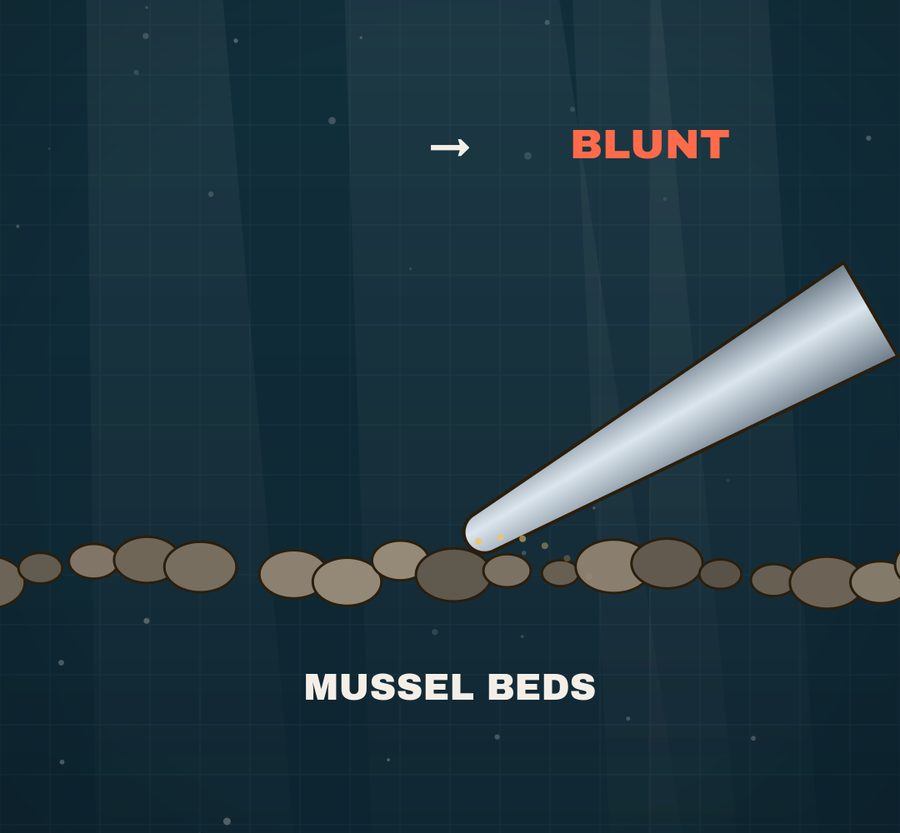
The thumbnail test
Rest the point on your thumbnail at a shallow angle with no pressure. A sharp point grabs straight away. A blunt one slides. It's a quick check rather than a measurement, but it's the standard one for good reason.
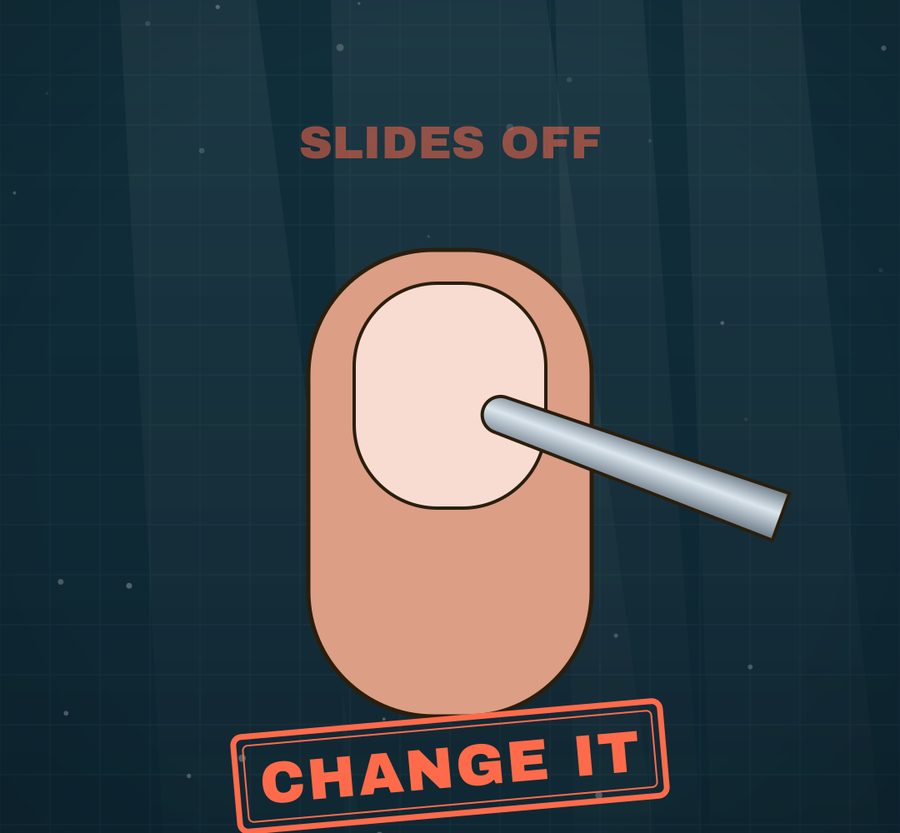
How we know: the sources
Every claim in the video, where it comes from, and how sure we are.
-
Pressure = force ÷ area
SOURCE Basic physics
CONFIDENCE High
-
A point twice as wide has ~4× the contact area, so ~¼ the pressure for the same force
SOURCE Geometry (area ∝ width²)
CONFIDENCE High as geometry. Real penetration also depends on point shape, cutting edges, angle and barb. Presented as a simplification.
-
A carp blowing out a rig gives the point a split second to catch
SOURCE Underwater footage of carp ejecting rigs, widely shown in angling media; the mechanism from FILE 003
CONFIDENCE Medium-high. We say "split second" and give no number.
-
Points get blunted on gravel, stones and mussel beds
SOURCE Metal deformation on hard surfaces; standard angler experience
CONFIDENCE High (direction)
-
The thumbnail test: a sharp point "grabs" a nail with no pressure; a blunt one slides
SOURCE Standard angling practice
CONFIDENCE High as convention. It's a quick check, not a measurement.
-
Tip-rounding and penetration visuals
SOURCE Schematic, not to scale
CONFIDENCE Illustrative